You face a tough choice when buying water treatment systems for your home. Water filters and water purifiers both clean water, but they work very differently. Your family’s health depends on choosing the right system.
We help thousands of families in Bangladesh solve their water problems every day. Through our water testing services, we see the same issues repeatedly. Your tap water contains arsenic, bacteria, chemicals, and other harmful substances. Simple filters cannot remove these dangerous contaminants.
This guide explains the water filter vs water purifier debate clearly. You will learn how each system works, what they remove, and which one protects your family better. We share real examples from our work with Bangladesh families.
Bangladesh Water Quality Problems
Common Water Contamination in Bangladesh
Bangladesh water contains many dangerous substances. We test water samples from homes across the country. Our tests show these common problems:
Arsenic contamination affects groundwater in most areas. This poison comes from natural rock formations. Arsenic causes cancer, skin problems, and organ damage. Twenty million people in Bangladesh drink arsenic-contaminated water daily.
Bacteria and viruses live in most water sources. E.coli, cholera, and typhoid bacteria spread through contaminated water. These germs cause severe diarrhea, fever, and stomach problems. Children suffer most from bacterial infections.
Chemical pollution comes from factories and farms. Industrial waste contains lead, mercury, and other heavy metals. Pesticides from agriculture also contaminate water sources. These chemicals harm your liver, kidneys, and nervous system.
Seasonal flooding makes water quality worse. Flood water mixes with sewage and garbage. This creates perfect conditions for bacteria growth. Monsoon season brings the highest contamination levels.
Health Risks from Bad Water
Contaminated water causes serious diseases in Bangladesh families. We work with many families who suffer from water-related illnesses:
Diarrhea affects children most severely. Bad water causes loose stools, dehydration, and weakness. Repeated diarrhea prevents proper nutrition absorption. Children become malnourished and weak.
Cholera outbreaks happen during monsoon seasons. This bacterial infection causes severe diarrhea and vomiting. Without proper treatment, cholera kills people quickly. Clean water prevents cholera completely.
Arsenic poisoning develops slowly over years. First, you see dark spots on your skin. Later, arsenic causes liver damage and heart problems. Long-term exposure leads to cancer and death.
Typhoid fever spreads through contaminated water. This bacterial infection causes high fever, headaches, and stomach pain. Typhoid can damage your intestines and brain permanently.
What is a Water Filter?
How Water Filters Work
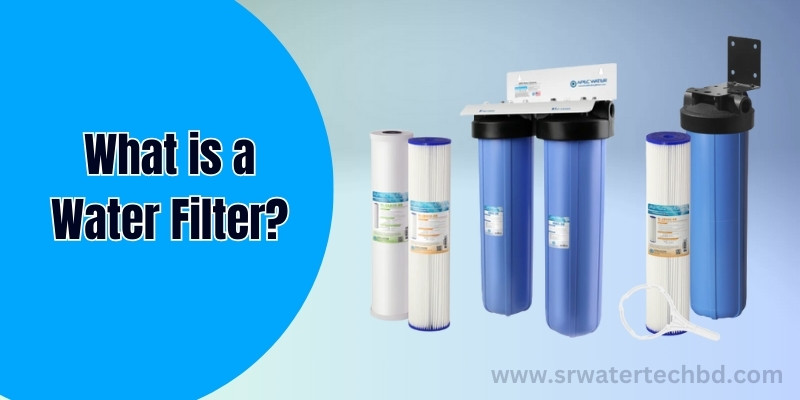
Water filters remove particles and some chemicals from water. They use physical barriers to trap contaminants. Think of a coffee filter that catches coffee grounds while letting water pass through.
Most filters contain activated carbon. This carbon comes from coconut shells or coal. Carbon removes chlorine, bad taste, and odors from water. It also catches some chemicals and pesticides.
Ceramic filters have tiny holes that block bacteria and parasites. Water passes through these holes slowly. The ceramic material lasts for years with proper cleaning.
Sediment filters catch dirt, rust, and sand particles. They protect other filters from damage. These filters need replacement every few months.
Types of Water Filters Available
Sediment Filters: Sediment filters remove visible particles from water. They catch dirt, rust, sand, and other debris. These filters cost less than other types. You need to replace them every 3-6 months.
Carbon Filters: Carbon filters improve water taste and smell. They remove chlorine that water treatment plants add. Carbon also removes some chemicals and pesticides. These filters work well for city water treatment.
Ceramic Filters: Ceramic filters remove bacteria and parasites from water. They work without electricity or water pressure. You can clean ceramic filters many times before replacement. These filters last longer than carbon filters.
Multi-Stage Filters: Multi-stage filters combine different filter types. They might include sediment, carbon, and ceramic filters together. These systems clean water better than single filters. They cost more but provide better results.
What Water Filters Remove
Water filters remove these contaminants:
- Dirt, sand, and rust particles
- Chlorine and chlorine taste
- Some bacteria and parasites
- Bad taste and odors
- Some chemicals and pesticides
Water filters cannot remove:
- Dissolved salts and minerals
- Viruses and all bacteria
- Arsenic and heavy metals
- Industrial chemicals
- Total dissolved solids (TDS)
What is a Water Purifier?
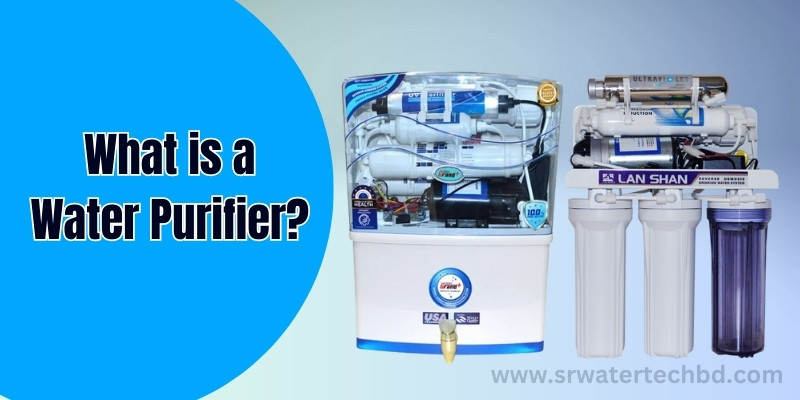
How Water Purifiers Work
Water purifiers use advanced technology to clean water completely. They remove bacteria, viruses, chemicals, and dissolved salts. Purifiers provide much safer water than simple filters.
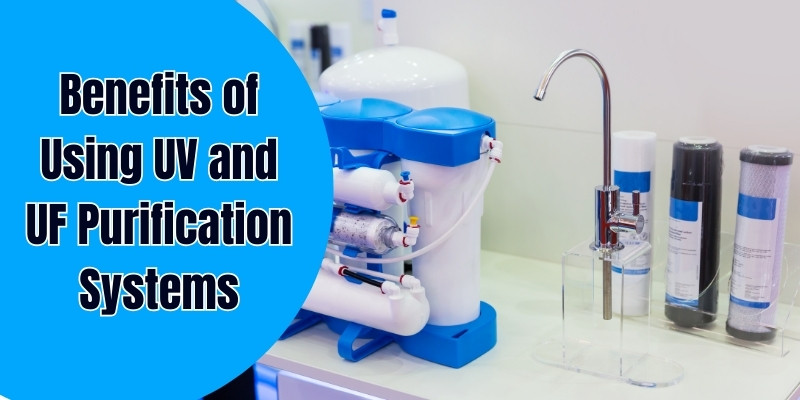
Most purifiers combine three technologies. RO (Reverse Osmosis) removes dissolved salts and chemicals. UV (Ultraviolet) light kills bacteria and viruses. UF (Ultrafiltration) removes particles and larger bacteria.
Electric pumps push water through purifier membranes. These membranes have microscopic holes. Only water molecules pass through these holes. All contaminants get rejected and flushed away.
Types of Water Purifiers
RO (Reverse Osmosis) Purifiers: RO purifiers remove dissolved salts and chemicals from water. They reduce TDS (Total Dissolved Solids) levels significantly. RO systems remove arsenic, lead, and other heavy metals effectively. These purifiers need electricity to operate.
RO purifiers waste water during the cleaning process. They produce 2-3 liters of waste water for every liter of pure water. This makes them expensive to operate in water-scarce areas.
UV (Ultraviolet) Purifiers: UV purifiers kill bacteria, viruses, and parasites using ultraviolet light. They destroy germs without changing water taste or smell. UV treatment works instantly when water passes through the chamber.
UV purifiers cannot remove dissolved salts or chemicals. They work best with clear water. Dirty water blocks UV light from reaching all germs.
UF (Ultrafiltration) Purifiers: UF purifiers remove bacteria and larger particles from water. They work without electricity using water pressure. UF systems keep natural minerals in water. These purifiers cost less to operate than RO systems.
UF cannot remove dissolved salts or chemicals. They work well with low TDS water. Most UF systems combine with other purification technologies.
Combination Purifiers (RO+UV+UF): Combination systems use all three technologies together. They provide the best water quality possible. These systems remove all types of contaminants completely. They cost more but offer complete protection.
What Water Purifiers Remove
Water purifiers remove these contaminants:
- All bacteria, viruses, and parasites
- Dissolved salts and minerals
- Arsenic, lead, and heavy metals
- Industrial chemicals and pesticides
- Total dissolved solids (TDS)
- Chlorine and bad taste
- Particles, dirt, and rust
Water purifiers provide complete protection against all water contamination types.
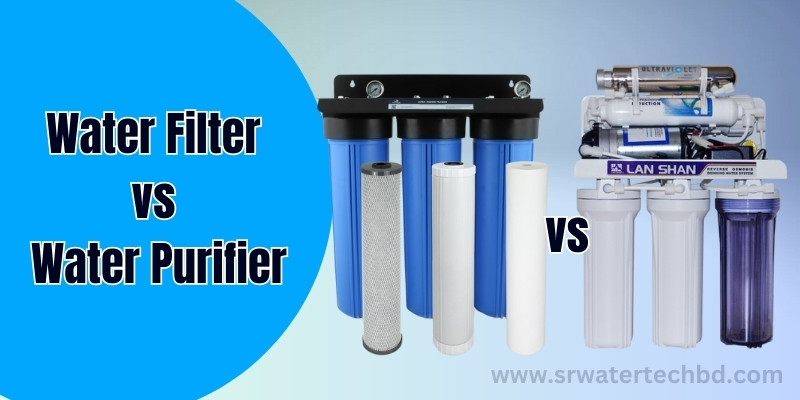
Water Filter vs Water Purifier: Complete Comparison
Comparison Table
| Feature | Water Filter | Water Purifier |
|---|---|---|
| Technology | Physical filtration | Multiple advanced technologies |
| Contaminant Removal | Particles, chlorine, taste | Bacteria, viruses, chemicals, salts |
| Electricity Required | Usually no | Yes (UV, RO systems) |
| Installation | Simple | Professional installation needed |
| Maintenance | Easy filter replacement | Complex membrane/lamp replacement |
| Water Storage | No storage tank | Built-in storage tank |
| Water Wastage | No waste | RO systems waste water |
| Cost | Lower initial cost | Higher initial cost |
| Arsenic Removal | Cannot remove | RO systems remove effectively |
| Bacteria Removal | Limited effectiveness | Complete removal |
| Suitable For | Low contamination water | High contamination water |
Filtration vs Purification Technology Comparison
Water Filter Technology: Water filters use physical barriers to stop contaminants. They work like a sieve that catches particles. The filter material traps dirt, sand, and chlorine. Water passes through, but contaminants stay behind.
Filter technology is simple and reliable. Most filters work without electricity. You can install them yourself easily. Filter replacement takes only a few minutes.
Water Purifier Technology: Water purifiers use multiple advanced technologies. RO systems use high pressure to push water through tiny membranes. UV systems use light energy to kill germs. These technologies work at the molecular level.
Purifier technology is complex and sophisticated. They need electricity for pumps and UV lamps. Professional installation is required. Maintenance needs technical knowledge.
Contaminant Removal Comparison
What Filters Remove: Water filters remove visible particles and improve taste. They catch sediment, rust, and chlorine effectively. Some filters remove larger bacteria and parasites. They cannot remove dissolved chemicals or salts.
What Purifiers Remove: Water purifiers remove all contaminants including invisible ones. They kill bacteria and viruses completely. RO systems remove dissolved salts, arsenic, and heavy metals. UV systems destroy all microorganisms including drug-resistant bacteria.
Cost Comparison
Water Filter Costs
- Initial cost: 2,000-8,000 BDT
- Filter replacement: 500-2,000 BDT every 3-6 months
- No electricity costs
- No installation charges
- Total yearly cost: 2,000-8,000 BDT
Water Purifier Costs
- Initial cost: 8,000-40,000 BDT
- Membrane/lamp replacement: 2,000-5,000 BDT yearly
- Electricity costs: 300-600 BDT monthly
- Installation and service: 2,000-5,000 BDT yearly
- Total yearly cost: 8,000-20,000 BDT
Maintenance Requirements
Water Filter Maintenance
- Replace filters every 3-6 months
- Clean filter housing monthly
- Check for leaks occasionally
- No technical skills needed
- You can do maintenance yourself
Water Purifier Maintenance
- Replace RO membrane every 12-18 months
- Replace UV lamp annually
- Clean storage tank monthly
- Service all components regularly
- Needs professional maintenance
Which System Works Better for Bangladesh?
Water Quality Assessment
High Contamination Areas: Areas with arsenic, high TDS, or industrial pollution need RO+UV+UF purifiers. These systems remove all contaminants completely. They cost more but provide complete safety for families.
Moderate Contamination Areas: City water with chlorine and bacteria needs UV+UF purifiers. These systems cost less than RO systems. They provide good protection for most urban families.
Low Contamination Areas: Areas with relatively clean groundwater might use multi-stage filters. These systems improve taste and remove particles. They cost less to buy and operate than purifiers.
Regional Recommendations
Dhaka Water Quality: Dhaka water contains high chlorine and bacteria levels. The city treats water, but old pipes contaminate it again. Most Dhaka families need UV purifiers minimum. RO systems provide complete safety in the capital.
Rural Areas: Rural tube wells often contain arsenic or high iron content. Test water before choosing any system. Arsenic-contaminated areas need RO purifiers only. Regular filters cannot remove arsenic.
Coastal Areas: Coastal areas have high salt content in water. Salty water needs RO treatment for drinking. Regular filters cannot remove salt from water. RO purifiers make salty water safe for drinking.
Family Size Considerations
Small Families (2-4 people) Small families need 8-10 liters of pure water daily. UV purifiers or small RO systems work well. Choose systems with 8-liter storage tanks.
Large Families (5-8 people) Large families need 15-20 liters of pure water daily. Choose RO systems with 10-12 liter storage tanks. Consider high-capacity purifiers for large families.
Commercial Use Offices and shops need 20-50 liters daily. Choose commercial-grade purifiers with large storage tanks. These systems handle high water demand efficiently.
Popular Water Treatment Systems in Bangladesh
Recommended Water Filters
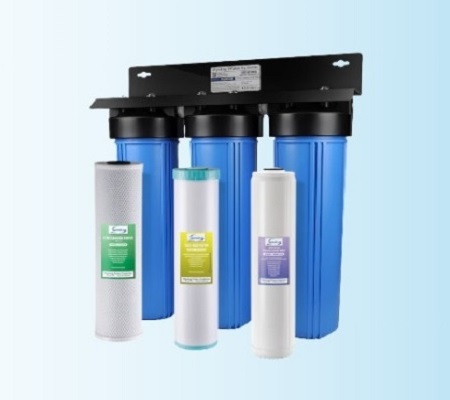
3-Stage Water Filter System: This system uses three filters in sequence. First stage removes dirt and rust. Second stage carbon filter removes chlorine and bad taste. Third stage polypropylene filter improves water clarity.
Price range: 3,000-6,000 BDT Suitable for: Low contamination areas Maintenance: Replace filters every 3-6 months
Recommended Water Purifiers
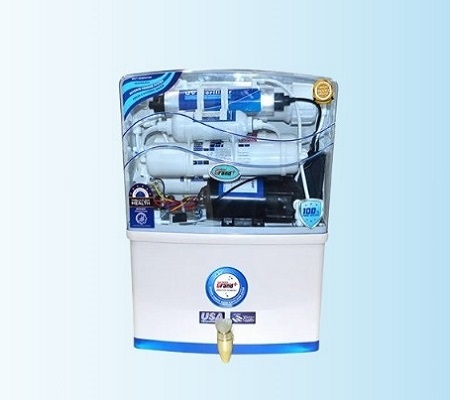
Basic UV Purifier: UV purifiers kill bacteria and viruses using ultraviolet light. They work well for city water with bacterial contamination. UV systems keep natural minerals in water.
Price range: 8,000-15,000 BDT Suitable for: Bacterial contamination Maintenance: Replace UV lamp annually
RO+UV Purifier: These systems combine RO and UV technologies. They remove dissolved salts and kill bacteria. Perfect for areas with multiple contamination types.
Price range: 15,000-25,000 BDT Suitable for: High contamination areas Maintenance: Professional service required
RO+UV+UF Purifier: Complete purification systems using all three technologies. They remove all contamination types effectively. Best choice for Bangladesh water quality.
Price range: 20,000-40,000 BDT Suitable for: All contamination types Maintenance: Professional service required
Installation and Maintenance Guide
Installation Requirements
Space Requirements Water filters need 1-2 feet of space under the sink. Some filters sit on the counter. Purifiers need 3-4 feet of wall space or floor area. RO systems need extra space for storage tanks.
Plumbing Connections Most systems connect to existing water lines. Professional installation ensures proper connections. We handle all plumbing work during installation. Warranty covers installation problems.
Electrical Requirements Filters need no electricity. UV and RO purifiers need power connections. Install stabilizers to protect electronic components. Use proper electrical outlets for safety.
Maintenance Schedule
Daily Maintenance
- Check water flow and quality
- Clean external surfaces
- Monitor system indicators
- Check for unusual sounds
Weekly Maintenance
- Clean storage tank exterior
- Check all connections
- Test water quality
- Monitor filter life indicators
Monthly Maintenance
- Replace pre-filters if needed
- Clean storage tank interior
- Check UV lamp operation
- Service system components
Yearly Maintenance
- Replace RO membranes
- Replace UV lamps
- Complete system service
- Update maintenance records
Water Testing and Quality Assessment
Testing Your Water Quality
TDS Testing: TDS meters measure dissolved salts in water. They cost 500-1,500 BDT. Good drinking water has TDS below 300 ppm. High TDS water needs RO treatment.
Bacteria Testing: Professional bacteria testing costs 1,000-3,000 BDT. Testing shows bacteria count and types. High bacteria count needs UV treatment for safety.
Complete Water Analysis: Complete testing costs 3,000-8,000 BDT. This tests for arsenic, lead, and chemicals. We recommend complete testing before buying expensive purifiers.
Understanding Test Results
Safe Drinking Water Standards
- TDS: Below 300 ppm
- Bacteria: Zero count
- Arsenic: Below 0.01 ppm
- pH: 6.5-8.5 range
- Iron: Below 0.3 ppm
When to Upgrade Systems: Upgrade if test results show high contamination. Change systems if current ones cannot handle specific contaminants. Regular testing helps decide upgrade timing.
Our Recommendations for Bangladesh Families
Based on Water Source
Municipal Water Supply: City water usually contains chlorine and bacteria. UV purifiers work well for most city water. RO systems provide extra safety for families with children.
Tube Well Water: Test tube well water for arsenic first. Arsenic-contaminated wells need RO purifiers only. Clean tube wells might need basic filtration only.
Surface Water: Never drink untreated surface water. It contains bacteria, chemicals, and parasites. Use RO+UV+UF purifiers for complete safety.
Based on Family Budget
Limited Budget (Under 10,000 BDT) Choose multi-stage filters or basic UV purifiers. These systems provide basic protection. Upgrade to better systems when budget allows.
Medium Budget (10,000-20,000 BDT) Choose UV+UF purifiers or basic RO systems. These provide good protection for most families. Balance features with budget constraints.
Higher Budget (Above 20,000 BDT) Choose RO+UV+UF systems for complete protection. These systems handle all contamination types. Best investment for family health.
Based on Health Concerns
Pregnant Women and Children Use RO+UV+UF purifiers for complete safety. Pregnant women and children need the purest water possible. Avoid any contamination risks.
Elderly Family Members Older people have weaker immune systems. Use purifiers instead of filters for better protection. Clean water prevents many health problems.
Family History of Water-Related Illness Families with water-related health problems need purifiers. Complete purification prevents repeat illnesses. Invest in the best system possible.
Conclusion
Key Takeaways
Water filters and purifiers both clean water but work differently. Filters remove particles and improve taste. Purifiers remove all contaminants including bacteria and chemicals.
Bangladesh water has serious contamination problems. Arsenic needs RO treatment. Bacteria need UV treatment. Most areas need combination purifiers.
Choose systems based on your water quality and budget. Test water first to understand contamination types. Buy from reliable suppliers with good service support.
Our Final Recommendation
We recommend water purifiers for most Bangladesh families. The country has too many water problems for simple filters. RO+UV+UF systems provide complete protection.
Start with UV purifiers if budget is limited. Add RO treatment later if needed. Always test water before making final decisions.
Clean water protects your family’s health. Water treatment costs less than medical treatment. Find affordable solutions that fit your budget.
Take Action Today
- Test your water quality first
- Calculate your budget for 5 years
- Choose the right system for your needs
- Get professional installation
- Follow regular maintenance schedule
- Enjoy clean, safe water daily
Frequently Asked Questions
What is the main difference between water filter and water purifier?
Water filters remove particles and improve taste through physical filtration. Water purifiers use advanced technology like RO, UV, and UF to remove bacteria, viruses, chemicals, and dissolved salts completely for safer drinking water.
Can a water filter remove bacteria?
Most water filters don’t remove bacteria. They clear dirt or chlorine but not germs. Water purifiers, like UV or reverse osmosis, kill or remove bacteria, ideal for tube wells.
Which is better for Bangladesh water – filter or purifier?
Water purifiers are better for Bangladesh because our water contains arsenic, bacteria, and chemicals. Filters cannot remove these dangerous contaminants. RO+UV purifiers provide complete protection for Bangladesh families against all water contamination types.
Can we use both water filtration and purification?
Yes, combining filtration and purification adds safety. A filter improves taste, and a purifier removes germs. We use a carbon filter with an RO purifier.
How much does a good water purifier cost in Bangladesh?
Basic UV purifiers cost 8,000-15,000 BDT. RO+UV+UF systems cost 15,000-40,000 BDT. Add 2,000-5,000 BDT yearly for maintenance and replacement costs. Calculate 5-year total cost before buying any system.
Are water purifiers worth the cost?
Water purifiers are worth it for tube wells or monsoon water with arsenic or bacteria. For city water, filters are cheaper and often enough.
Do I need RO water purifier in Dhaka?
Yes, Dhaka water contains high chlorine, bacteria, and dissolved chemicals. RO purifiers remove all these contaminants effectively. UV-only systems cannot remove dissolved chemicals present in Dhaka municipal water supply system.
How often should I replace water purifier filters?
Replace pre-filters every 3-6 months, RO membranes every 12-18 months, and UV lamps annually. Replace post-carbon filters every 6-12 months. Follow manufacturer instructions and professional service recommendations for best results.
Which filter or purifier brands are good in Bangladesh?
Brands like Sanaky, Lan Shan, and Heron are reliable. Check for NSF certification. You can choose these trusted brands water purifier for you family without any hesitation.