
-
-19%
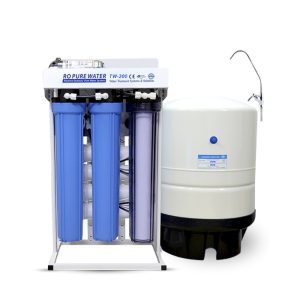
Deng Yuan TW-200 RO Water Purifier (Imported-Taiwan)
Original price was: 72,000৳ .58,000৳ Current price is: 58,000৳ . Add to cart -
-18%
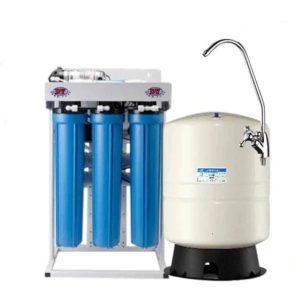
Deng Yuan TW-200 RO Water Purifier (Taiwan)
Original price was: 55,000৳ .45,000৳ Current price is: 45,000৳ . Add to cart -
-8%
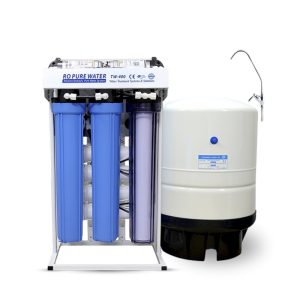
DENG YUAN TW-400 RO Water Purifier (Imported-Taiwan)
Original price was: 80,000৳ .74,000৳ Current price is: 74,000৳ . Add to cart -
-8%
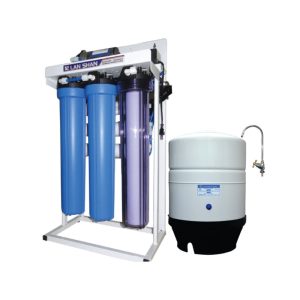
Lan Shan LSRO-200G RO Water Purifier
Original price was: 65,000৳ .60,000৳ Current price is: 60,000৳ . Add to cart -
-9%
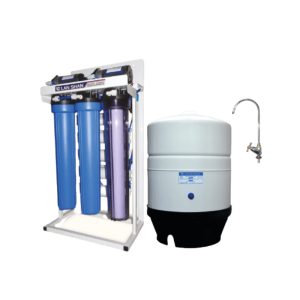
Lan Shan LSRO-400G RO Water Purifier
Original price was: 79,000৳ .72,000৳ Current price is: 72,000৳ . Add to cart
Commercial Water Purifier in Bangladesh: The Complete Guide
Clean water is basic for good health. In Bangladesh, water problems are common. Many water sources have harmful things like arsenic, iron, and bacteria. These can make people sick. This is why commercial water purifiers are very important in Bangladesh.
Commercial water purifiers clean large amounts of water for restaurants, schools, hospitals, and offices. Unlike home purifiers, they can clean more water faster. This makes them perfect for places where many people need clean water.
Bangladesh faces unique water challenges. The groundwater often contains arsenic. Surface water may have bacteria and other germs. Urban areas deal with industrial pollution in their water. All these problems make water purifiers necessary.
Why Do You Need Commercial Water Purifiers in Bangladesh?
Water Contamination Issues in Bangladesh
Bangladesh has serious water problems. Arsenic in groundwater affects millions of people. This happens in many parts of the country. Arsenic can cause skin problems, cancer, and other health issues.
Besides arsenic, iron is also common in Bangladesh's water. Iron gives water a bad taste and color. It can stain clothes, dishes, and bathroom fixtures. Though not as harmful as arsenic, iron makes water unpleasant to use.
Bacteria and viruses in water cause many illnesses. These include diarrhea, cholera, and typhoid. These sicknesses spread easily when people drink dirty water. They can affect many people quickly, especially in crowded places.
Public Health Considerations
Clean water prevents many sicknesses. When businesses provide clean water, they protect people's health. This is very important for places like restaurants and cafes. Customers expect safe water for drinking and food preparation.
Waterborne illnesses cause many lost work days. They reduce productivity and increase medical costs. By preventing these illnesses, water purifiers save money. They also reduce suffering and improve quality of life.
Business Reputation and Customer Safety
Customers care about cleanliness and safety. They notice when water looks, smells, or tastes bad. This affects how they see a business. Good water quality builds trust and loyalty. Bad water quality drives customers away.
Restaurants and hotels depend on clean water. Their customers expect safe food and drinks. Water is used for cooking, washing, and serving. Pure water improves food taste and safety. It protects the business's reputation.
Employee Health and Productivity Benefits
Healthy workers miss fewer workdays. They are more productive when present. Clean water helps keep workers healthy. This reduces sick leave and increases output.
Hydrated workers perform better. They think more clearly and make fewer mistakes. Easy access to clean water encourages proper hydration. This improves work quality and efficiency.
Uses of Commercial Water Purifiers
Food and Beverage Industry Applications
Restaurants use purified water for cooking and drinks. Pure water improves the taste of food and beverages. It makes better ice cubes, coffee, and tea. It ensures food safety throughout preparation.
Bakeries need clean water for dough and batter. Water quality affects how bread rises and how cakes taste. It also affects shelf life of baked goods. Good water quality leads to better, more consistent products.
Cafes and coffee shops depend on water quality. Water is the main ingredient in coffee and tea. Its taste, pH, and mineral content matter greatly. Water purifiers help create consistent, high-quality beverages.
Office and Workplace Installations
Offices provide drinking water for employees and visitors. Water coolers and dispensers are common sights. The water must taste good and be safe to drink. Water purifiers ensure both quality and safety.
Staff kitchens and break rooms use water daily. People make coffee and tea there. They wash dishes and prepare simple meals. Clean water makes these activities safer and more pleasant.
Advantages of Commercial Water Purifiers
Health Benefits and Risk Mitigation
Commercial water purifiers remove harmful substances from water. They take out bacteria that cause diseases. They remove chemicals that can make people sick over time. They filter out parasites that lead to intestinal problems.
Clean water from purifiers prevents many illnesses. These include simple stomach upsets and serious infections. Regular use of purified water reduces medical expenses. It decreases the time lost to sickness.
Cost Savings Compared to Bottled Water
Bottled water costs much more than purified tap water. A business can save large amounts by installing a purifier. The savings increase with higher water consumption. For large organizations, the difference can be enormous.
Let's look at the numbers. A 20-liter bottled water costs about 150-200 taka in Bangladesh. The same amount of purified tap water costs less than 5 taka. For a business using 100 liters daily, this saves over 30,000 taka monthly.
Environmental Sustainability
Plastic water bottles harm the environment. They fill landfills and pollute waterways. Making and transporting them uses fossil fuels. Water purifiers reduce this environmental damage by eliminating the need for bottles.
Each 20-liter bottle not purchased saves about 1 kg of plastic waste. A business that would use 5 bottles daily saves 1,825 kg of plastic yearly. This greatly reduces plastic pollution and its harmful effects.
Equipment Longevity
Hard water contains minerals that build up in pipes and equipment. This scale reduces water flow and efficiency. It makes heating elements work harder. It eventually leads to equipment failure. Water purifiers prevent these problems.
Water heaters last longer with purified water. Coffee machines work better and need fewer repairs. Ice makers produce clearer ice and have fewer breakdowns. Dishwashers clean more effectively and last years longer.
Improved Taste and Quality of Water
Pure water tastes better. It doesn't have the metallic taste that comes from iron. It lacks the chemical taste from chlorine. It doesn't have odd smells or aftertastes. People drink more water when it tastes good.
Beverages made with purified water taste better. Coffee and tea show their true flavors. Fruit juices taste fresher and cleaner. Customers notice this difference and appreciate it.
Commercial Water Purifier Types
Reverse Osmosis (RO) Systems
Reverse osmosis pushes water through a very fine membrane. The membrane blocks contaminants but lets water molecules pass. RO systems remove up to 99% of dissolved solids, chemicals, and microorganisms from water.
RO systems work well for removing arsenic from water. This makes them very useful in Bangladesh. They also remove lead, fluoride, nitrates, and many other harmful substances. They produce very clean, safe water.
Ultrafiltration Systems
Ultrafiltration (UF) uses a membrane with larger pores than RO. It removes bacteria, viruses, and larger particles. It doesn't remove dissolved minerals. This means it keeps beneficial minerals in the water.
UF systems use less energy than RO systems. They don't need pressure pumps. They waste less water during filtration. These factors make them less expensive to operate.
UV Purification Systems
UV systems use ultraviolet light to kill bacteria and viruses. The UV light damages the DNA of microorganisms. This prevents them from reproducing and causing disease. UV treatment is very effective against biological contaminants.
UV purifiers don't remove particles or chemicals from water. They're often used with other filtration methods. A common combination is sediment filtration, carbon filtration, and UV treatment. This addresses most water quality issues.
Activated Carbon Filtration
Activated carbon filters remove chlorine, bad tastes, and odors from water. They work by adsorption—contaminants stick to the carbon surface. This improves water taste and smell significantly.
Carbon filters also remove many organic chemicals. These include pesticides, herbicides, and industrial chemicals. They catch some pharmaceuticals that might be in water. They're very good at making water pleasant to drink.
Multi-stage Purification Systems
Multi-stage systems combine several purification methods. A typical system might include sediment filtration, carbon filtration, and UV treatment. More complex systems add RO or UF membranes and ion exchange.
Commercial multi-stage systems provide complete water treatment. They address physical, chemical, and biological contaminants. They can be customized for specific water problems. This makes them very effective in Bangladesh's varied conditions.
What to Consider When Buying Commercial Water Purifiers
Water Quality Assessment
Before buying a purifier, test your water. Find out exactly what problems need solving. Testing shows contaminant levels and types. This information helps choose the right purification system.
In Bangladesh, key tests include arsenic, iron, manganese, hardness, and bacteria. Urban areas should also test for chlorine, lead, and industrial chemicals. Professional water testing gives precise results.
Required Capacity/Flow Rate
Calculate your daily water needs carefully. Count all uses—drinking, cooking, washing, and processing. Add 20-30% extra capacity for future growth. This ensures your system won't be undersized.
Peak demand matters as much as total volume. How much water do you need during the busiest hour? The system must handle this peak flow. Otherwise, water pressure drops during high-use periods.
Commercial kitchens need 500-2,000 liters daily, depending on size. Small offices need 100-300 liters per day. Undersized systems cause problems. They run constantly, wearing out faster. They may not meet demand during busy times.
Maintenance Requirements and Service Availability
All water purifiers need regular maintenance. Simple systems need filter changes every few months. Complex systems need professional service. Consider whether you have staff who can handle the maintenance.
Service availability matters greatly. Check whether the supplier provides maintenance services. Find out if they have technicians in your area. Ask how quickly they respond to service calls.
Warranty and After-sales Support
Warranty length indicates the manufacturer's confidence. One-year warranties are standard. Better systems offer 2-5 year warranties. Some offer different warranty periods for different components.
After-sales support includes more than repairs. Good suppliers provide telephone support for minor issues. They offer advice on maintenance and operation. They help troubleshoot problems before sending technicians.
Commercial Water Purifier Pricing in Bangladesh
Price Ranges Based on Technology and Capacity
Basic commercial filtration systems start around 30,000-40,000 taka. These include sediment and carbon filtration. They work for basic taste and odor improvement. They don't address serious contamination issues.
Mid-range systems cost 50,000-150,000 taka. These include UV purifiers and basic commercial RO systems. They handle most common water problems. They serve small to medium businesses well.
Advanced systems cost 200,000-500,000 taka or more. These include multi-stage systems with RO, UV, and specialized filtration. They provide comprehensive water treatment. They serve larger businesses with higher water quality needs.
Factors Affecting Cost
Treatment technology greatly affects price. Simple filtration costs less than RO or specialized ion exchange. More complex technology brings higher purchase and maintenance costs. The price rises with treatment complexity.
System capacity directly impacts cost. Higher flow rates require larger equipment. Larger equipment costs more to buy and maintain. Price increases roughly proportionally to capacity.
Water quality affects system requirements. Heavily contaminated water needs more treatment stages. It may need specialized media for specific contaminants. More severe problems lead to higher system costs.
Maintenance and Replacement Part Costs
Regular filter replacements cost 2,000-5,000 taka quarterly for basic systems. Carbon and sediment filters need changing every 3-6 months. These costs are unavoidable for any filtration system.
RO membranes cost 10,000-30,000 taka and last 2-3 years. UV lamps cost 3,000-8,000 taka and need yearly replacement. Ion exchange resin costs 15,000-40,000 taka and lasts 3-5 years. These higher-cost components drive maintenance expenses for advanced systems.
Top 5 Commercial Water Purifier Models in Bangladesh
- Deng Yuan TW-200 RO Water Purifier (Imported-Taiwan)
- Lan Shan LSRO-200G RO Water Purifier
- Deng Yuan TW-200 RO Water Purifier (Taiwan)
- Lan Shan LSRO-400G RO Water Purifier
- DENG YUAN TW-400 RO Water Purifier (Imported-Taiwan)
Installation and Maintenance Best Practices
Pre-installation Considerations
Water testing must come first. Know exactly what your water contains. Testing shows which purification methods you need. It prevents buying the wrong system.
Check your water pressure. Most systems need at least 2 bar (30 psi) pressure. Lower pressure may require a booster pump. Very high pressure might need a pressure reducer. Matching the system to your pressure conditions improves performance.
Measure your available space carefully. Draw a scale diagram of where the system will go. Include access space for maintenance. Mark water supply and drain locations. This planning prevents installation problems.
Professional vs. DIY Installation
Commercial systems need professional installation. DIY installation voids many warranties. It also risks water damage and system failure. Professional installers have the tools and knowledge for proper setup.
Professional installation costs extra but brings many benefits. Installers ensure correct connections and settings. They test the system thoroughly. They train your staff on basic operation. These benefits justify the cost.
Regular Maintenance Schedule
Follow the manufacturer's maintenance schedule strictly. Most commercial systems need attention every 3-6 months. Some parts need more frequent checks. Create a maintenance calendar and stick to it.
Basic maintenance includes filter changes. Sediment filters typically need changing every 3 months. Carbon filters last 6-12 months. Keep records of all changes. This helps forecast maintenance needs and costs.
More complex components need less frequent attention. RO membranes need cleaning or replacement every 2-3 years. UV lamps need yearly replacement. Ion exchange resin needs regeneration based on water usage. Track these longer-term needs too.
Conclusion and Recommendations
Clean water forms the foundation of business success in Bangladesh. Water quality affects product quality, equipment lifespan, employee health, and regulatory compliance. Commercial water purifiers address these concerns effectively.
Choosing the right purifier requires understanding your specific needs. Water testing provides essential information. Professional advice helps interpret test results. Together, they guide system selection. This approach ensures the best match between needs and solution.
Total cost matters more than purchase price. Installation, operation, and maintenance costs often exceed initial equipment cost. Calculate all these expenses when comparing systems. Choose based on long-term value rather than initial price.
Professional installation and maintenance prove essential for system performance. They maximize purifier lifespan and effectiveness. They prevent costly problems and downtime. The extra cost brings excellent return on investment.
Water purification represents an investment in business success. Clean water improves products and services. It protects valuable equipment. It demonstrates care for employees and customers. These benefits make commercial water purifiers essential for forward-thinking businesses in Bangladesh.
FAQs About Commercial Water Purifiers in Bangladesh
How long do commercial water purifiers typically last in Bangladesh?
Quality commercial water purifiers last 8-10 years with proper maintenance. Regular filter changes and professional service extend lifespan. Harsh water conditions may reduce lifespan to 5-7 years. Annual maintenance costs average 5-10% of the purchase price.
Can commercial purifiers remove arsenic from Bangladesh's groundwater?
Yes, specialized commercial purifiers remove arsenic effectively. Systems using RO technology or specific arsenic adsorption media work best. Regular testing confirms arsenic removal. These systems need proper maintenance to maintain arsenic removal capability.
What size water purifier does my restaurant need?
For restaurants, calculate 15-20 liters per customer per day. A restaurant serving 100 customers daily needs a 1,500-2,000 liter/day system. Add capacity for peak times and future growth. Choose systems with food-grade materials and certifications.
How often should I change filters in my commercial water purifier?
Sediment filters need changing every 2-3 months. Carbon filters last 6-12 months depending on water quality. RO membranes need replacement every 2-3 years. UV lamps require yearly replacement. Follow manufacturer guidelines for your specific system.
Do commercial water purifiers work during power outages?
Most commercial purifiers stop working during power outages. Systems with storage tanks provide some water during outages. Battery backup systems exist but add cost. For critical applications, consider generators or uninterruptible power supplies.
What maintenance can staff handle versus needing professionals?
Staff can change basic filters with proper training. They can monitor system performance and water quality. Professional technicians should handle sanitizing, membrane replacement, UV lamp changes, and system repairs. Regular professional service prevents costly breakdowns.
