Water is essential for life, but not all water sources are safe to drink. Many people rely on boiling as a simple way to make water safe, but is boiling water enough for safety?
In Dhaka and many other cities, people often believe that boiling water makes it completely safe to drink. It’s a common practice, especially among families who want to protect their loved ones from waterborne diseases. But here’s the truth-boiling water doesn’t remove heavy metals, chemicals, or other dangerous contaminants. While it kills bacteria and viruses, harmful substances like arsenic, lead, and pesticides remain. So, if you think boiling is enough, you might be putting your health at risk. This article explores the reality of water purification and what you need to do for truly safe drinking water.

What Does Boiling Water Remove?
Boiling water is an age-old method of purification, but it primarily targets biological contaminants. Here’s what boiling effectively removes:
1. Bacteria and Viruses
Boiling water for at least one minute (or three minutes at higher altitudes) can kill most bacteria, viruses, and parasites, including:
- E. coli
- Salmonella
- Giardia
- Cryptosporidium
- Hepatitis A
2. Parasites and Protozoa
Certain protozoan cysts, such as Giardia and Cryptosporidium, can be tough to eliminate with chlorine alone. However, boiling water ensures these harmful microorganisms are destroyed, making it a crucial step in water safety, especially in uncertain conditions.
3. Some Organic Impurities
Boiling can help reduce some volatile organic compounds (VOCs), but it’s not the most reliable method. In fact, some VOCs may persist or even become more concentrated as water evaporates. For better removal, consider using an activated carbon filter or reverse osmosis system to ensure cleaner, safer drinking water.
Read Here: How RO Water Purifiers Work
What Boiling Water Does Not Remove
While boiling is excellent for biological threats, it is ineffective against certain chemical and physical contaminants, including:
1. Heavy Metals
Boiling does not remove heavy metals like lead, mercury, or arsenic, which are commonly found in contaminated water sources. Instead, the process can concentrate these harmful substances as water evaporates, making them even more dangerous to consume. If your water supply is at risk for heavy metal contamination, using a reverse osmosis system or distillation is a more effective purification method. Testing your water regularly is crucial to identify potential threats and choose the best filtration system to ensure safe drinking water.
2. Chemicals and Pesticides
Many industrial chemicals, including pesticides, herbicides, and pharmaceutical residues, have boiling points higher than water. Simply boiling will not eliminate them and may actually intensify their concentration as water evaporates, posing an even greater health risk. To remove these contaminants effectively, consider advanced purification methods like activated carbon filtration or reverse osmosis.
3. Sediments and Dirt
Boiling does not eliminate suspended particles, sediments, or dirt. If your water appears cloudy or contains visible debris, use a reliable filtration system before boiling. This ensures that harmful contaminants are effectively removed, reducing health risks. Consider using a high-quality water filter or a sedimentation process to improve water clarity before boiling.
4. Taste and Odor Issues
If your water has a strong chlorine taste or a sulfur-like smell, boiling won’t fix the problem. Instead, activated carbon filters can effectively absorb these impurities, giving your water a fresher, cleaner taste and odor. Investing in a good filtration system ensures your drinking water is not only safe but also pleasant to consume.
When is Boiling Water Enough?
Boiling water is sufficient if the primary concern is biological contamination. For example:
- Emergency situations: After floods or natural disasters where microbial contamination is suspected.
- Camping and hiking: When sourcing water from rivers or lakes, boiling ensures safety from bacteria and parasites.
- Short-term purification: If your municipal supply issues a boil-water advisory due to bacterial contamination.
When Do You Need Additional Water Purification Methods?
If your water contains chemical pollutants, heavy metals, or sediment, additional purification is necessary. Here are some effective methods:
1. Filtration Systems
- Activated Carbon Filters: Remove chlorine, volatile organic compounds (VOCs), and improve taste.
- Reverse Osmosis (RO) Systems: Remove heavy metals, fluoride, nitrates, and certain bacteria.
- UV Purification: Destroys bacteria and viruses without altering the taste or adding chemicals.
2. Distillation
Distillation is a thorough purification method that eliminates both biological and chemical contaminants by boiling water and capturing the purified steam. While highly effective, it requires significant time and energy, making it less practical for everyday use. However, for those dealing with heavy metals or chemical pollutants, distillation remains one of the safest water purification techniques available.
3. Chemical Purification
- Chlorine Tablets: Effective against bacteria and viruses but may not kill all protozoa.
- Iodine Drops: Good for emergency purification but leaves a distinct taste.
4. Water Softeners and Ion Exchange
If your water contains high levels of calcium, magnesium, or heavy metals, a water softener can help by reducing mineral buildup. This not only improves water quality but also extends the lifespan of your plumbing and appliances, making daily life more convenient and healthier for you and your family.
The Importance of Water Testing
Before deciding on a purification method, it is crucial to test your water to identify the contaminants present. Home testing kits are available for basic assessments, but for a comprehensive analysis, a professional water test is recommended.
How to Test Your Water at Home
- Use Water Testing Kits – These kits check for pH levels, hardness, chlorine, nitrates, and bacteria.
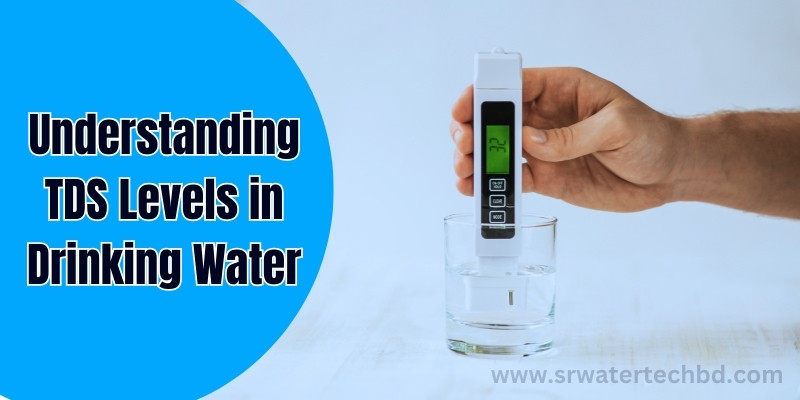
- TDS Meters – A Total Dissolved Solids (TDS) meter can help determine the presence of dissolved substances.
- Send to a Certified Lab – Professional water testing will provide an accurate report on heavy metals, pesticides, and other dangerous chemicals.
Best Practices for Safe Drinking Water
- Know Your Water Source – Test your water for contaminants before deciding on a purification method.
- Use Multi-Step Purification – If uncertain, combine boiling with filtration or chemical treatment.
- Store Water Properly – Use clean, BPA-free containers to avoid recontamination.
- Check for Boil Water Advisories – Follow local health guidelines in case of water safety alerts.
- Regular Maintenance – Ensure that filters, purifiers, and water treatment systems are cleaned and replaced as needed.
Myths About Boiling Water
1. Boiling Always Makes Water 100% Safe
This is false. While boiling kills most microbes, it does not remove chemicals, heavy metals, or other toxins.
2. Longer Boiling Equals Better Purification
Boiling for extended periods does not make water safer beyond killing microbes; it may actually increase the concentration of contaminants.
3. If It Looks Clean, It’s Safe to Drink
Contaminants like lead, pesticides, and bacteria are often invisible to the naked eye. Always test your water.
Long-Term Solutions for Safe Drinking Water
Boiling water is a short-term solution, but if you want long-term safe drinking water, consider the following:
- Whole-House Filtration Systems: These can filter all incoming water, removing sediment, chlorine, and contaminants.
- Gravity Filters: Ideal for off-grid living, these filters require no electricity and remove bacteria, parasites, and chemicals.
- Alkaline Water Purifiers: Improve pH balance and add essential minerals back into purified water.
- Nanotechnology Filters: Advanced filters that remove viruses, bacteria, and heavy metals without requiring electricity.
Final Words
So, is boiling water enough for safety? It depends. While boiling is highly effective against bacteria, viruses, and parasites, it does not remove heavy metals, chemicals, or sediments. If you rely on untreated water or have concerns about chemical contamination, combining boiling with filtration or distillation is the safest option.
Take Action Today
If you’re concerned about water safety, consider testing your tap or well water. Investing in a high-quality water filtration system can provide peace of mind and long-term health benefits.
Looking for reliable water purification solutions? Explore our range of filtration and purification systems at SR Water Tech BD to ensure your water is always safe and clean.